Automotive
Body Work
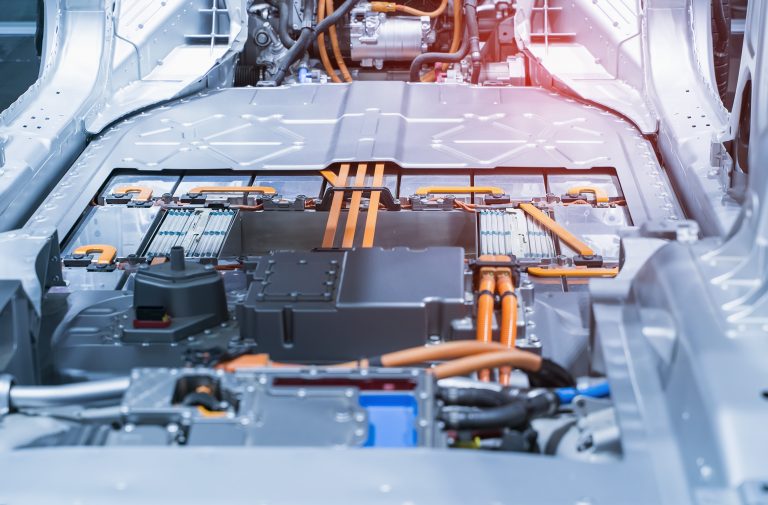
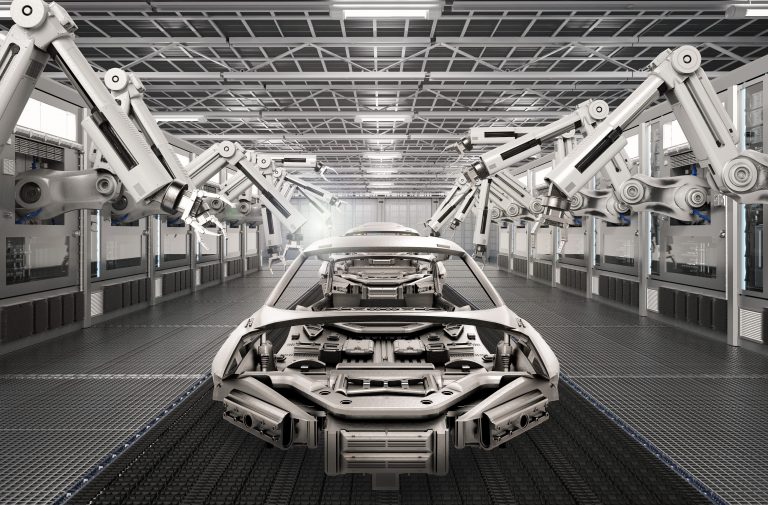
The Body In White (BIW) is the central element of a car. Everything is attached to it. At the same time, it is a guarantee for the passenger safety. The requirements to its rigidity are correspondingly high.
The development of new materials and new manufacturing technologies consistently arises new and interesting options for the design.
Our experts always are up to date and familiar with the newest materials and processes.
We ensure the producibility of sheet metal parts by using deep-drawing simulations.
We know the requirements of BIW in terms of crash, rigidity and operational strength. We use suitable calculation methods to simulate all relevant load cases.
Within our network, we can provide appropriate testing and trials to validate the simulation results.
Interior
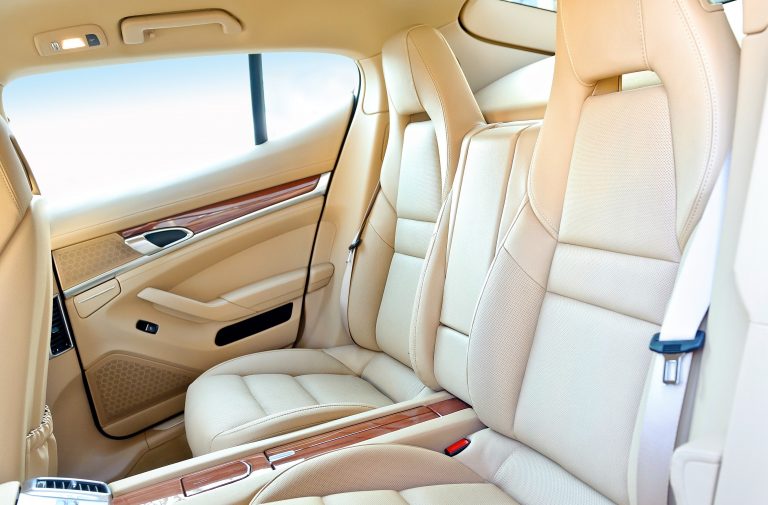
Passengers particularly experience a car through the interior.
The design, the selected colors and the materials used create visual and haptic impressions that significantly influence the well-being in the interior.
New operating and display concepts as well as an increased use of sustainable materials with new functional surfaces will have a major effect on the future design of the interiors.
We are very familiar with all interior modules. During development, we consider all the requirements of the manufacturer and the system suppliers involved. We ensure compliance with all relevant legal guidelines and specifications.
By using suitable simulation processes, we carry out the virtual safeguarding of the occupant protection. Necessary strengths and stiffnesses will also be calculated with common simulation processes.
With MoldfFlow® analyzes, we examine the manufacturability of injection molded parts and optimize the design.
With partners from our network, we offer all relevant component tests.
exterior
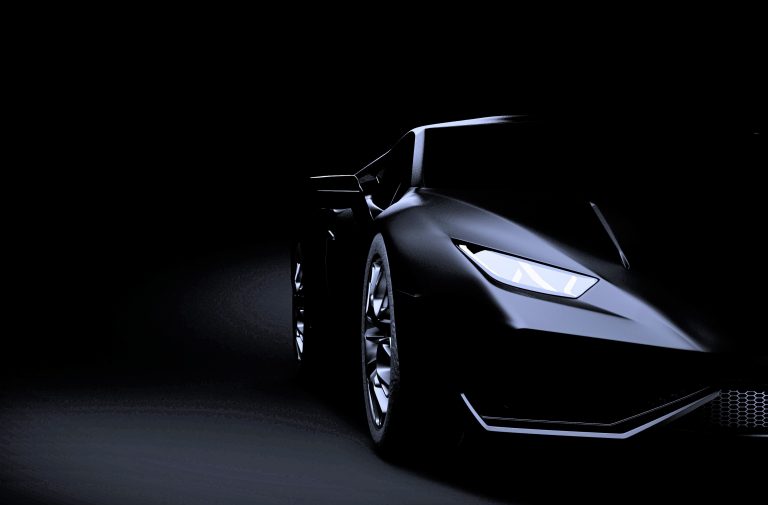
The exterior of a vehicle arouses emotions. Light and shadow, curves and proportions are crucial so that the styling causes the right effect for the viewer.
To consider the styling specs and the accuracy of the given surfaces are therefore particularly important.
Our engineers know the styling processes of the manufactures and know what is important for designing exterior parts. When evaluating the technical feasibility of the styling, in addition to the tool and process requirements the legal requirements of the respective countries will be observed.
The requirements according stiffness, strength, pedestrian protection, RCAR bumper test, low speed crash, etc. will be calculated by using classic CAE simulations.
The results can be validated by means of appropriate component tests within our partner network.
WIRE HARNESS
Electrification and digitization have a major effect on the development of cars and on the car architectures of the future.
This on the one side generates many new options for manufacturers in terms of packages and design. On the other side the demands on the vehicle electrical system and its properties are increasing.
We know all areas of the vehicle and its spaces and are familiar with cable routing. We observe all customer specifications, consider applicable legal regulations and the requirements for electromagnetic compatibility (EMC).
Testing of single on-board network components as well as of complete on-board network systems on HIL test benches can be carried out by partners in our network.